Fast Service
Moving directly from one property into another may sound straightforward, but moving dates do not always align. Your lease could end before the next property becomes available, settlement may be delayed, or renovations might continue longer than expected.
When your belongings must leave one property before they can enter the next, temporary storage can provide a practical buffer. It can also help when downsizing, staging a property for sale, renovating, or relocating interstate.
However, choosing storage involves more than finding the lowest advertised rate. Traditional self-storage, mobile storage, and removalist-arranged storage provide different levels of access, convenience, handling, and responsibility.
The right option depends on how much you are storing, how long you need storage, how frequently you require access, and whether you want to transport everything yourself.
Storage may be helpful whenever your moving schedule includes a gap or your new property cannot immediately accommodate all your belongings.
You may need to vacate a rental before your next lease begins. When buying or selling, a delayed settlement or handover can also affect when you receive access to the new property.
Temporary storage allows the existing home to be cleared on time while keeping your main household load together for later delivery.
Before collection, separate anything you will need during the gap. Keep clothing, medication, identification, chargers, work equipment, children’s supplies, and important documents with you.
Moving furniture into an active renovation can expose it to dust, paint, moisture, tools, and accidental damage. Furniture and boxes may also obstruct tradespeople and make the work area harder to manage.
Storage can keep larger furniture, appliances, rugs, artwork, and packed cartons away from the project until the property is ready.
Ask your builder which areas will remain inaccessible and when the property will be suitable for delivery. Allow some flexibility because renovation schedules can change.
Moving into a smaller property may leave you with more furniture than the new home can comfortably accommodate.
Short-term storage can provide time to decide what should be kept, sold, donated, or passed to relatives. However, it should not become an indefinite holding area for things you no longer use.
Create an inventory and set a review date. Compare the ongoing storage cost with each item’s condition, usefulness, and replacement value before extending the arrangement.
An interstate move may involve temporary accommodation, changing work dates, delayed property access, or flexible transport schedules.
Storage might be required near the pickup property, near the destination, or as part of the transport plan. Discuss this during your initial enquiry. Adding storage after collection may affect handling, availability, truck scheduling, and the final quote.
Removing excess furniture and packed boxes can make rooms easier to present during inspections. Storage may be useful for oversized pieces, spare-room contents, seasonal belongings, and items that make the property feel crowded.
Keep daily necessities at home so you do not need to repeatedly access the stored load.
Traditional self-storage involves renting a private unit within a facility. You generally transport your belongings to the site, arrange the unit yourself, and return later to retrieve them.
This option may suit you if:
You need regular access
The facility is conveniently located
You have suitable transport
You are storing a smaller volume
You want to add or remove items
You are comfortable organising the unit yourself
Access conditions differ between facilities. Some provide extended entry hours, while others operate within fixed periods. Confirm the access arrangements before booking.
Self-storage may also involve several stages of handling. Your belongings could be loaded at home, unloaded into the unit, reloaded when storage ends, and unloaded again at the destination.
Include vehicle hire, fuel, travel, equipment, packing materials, and labour when comparing costs. A low unit rate may not represent the total cost of moving everything into and out of storage.
Handling large furniture without the right assistance can create safety risks. Safe Work Australia explains that lifting, carrying, pushing, and pulling tasks involving high force or awkward postures can become hazardous manual tasks. Arrange suitable help instead of attempting to move heavy or unstable items alone.
Mobile storage normally involves a container or module being delivered to your property. You or an arranged moving team loads it before the provider collects it for storage or delivery.
It may suit you if:
Your property has suitable placement space
You want to load over an agreed period
You do not need frequent access
The provider services both locations
Council, strata, and property rules permit it
You prefer your belongings to remain in one module
Depending on the service, the belongings may remain inside the same container until redelivery. This can reduce handling, but you should confirm the provider’s actual process.
Mobile storage is not suitable for every property. Apartments, townhouses, shared driveways, narrow streets, steep blocks, overhead wires, and limited parking may prevent safe delivery.
Before booking, ask about:
Container dimensions
Delivery and collection clearance
Ground and surface requirements
Placement duration
Council or strata approval
Access during storage
Delivery and redelivery fees
Loading responsibilities
Weight restrictions
Prohibited items
Do not assume a container can be placed on a street, footpath, loading dock, or shared property. Check the requirements with the property owner, building manager, owners corporation, or council.
With removalist-arranged storage, collection, transport, storage, and final delivery are coordinated as connected stages.
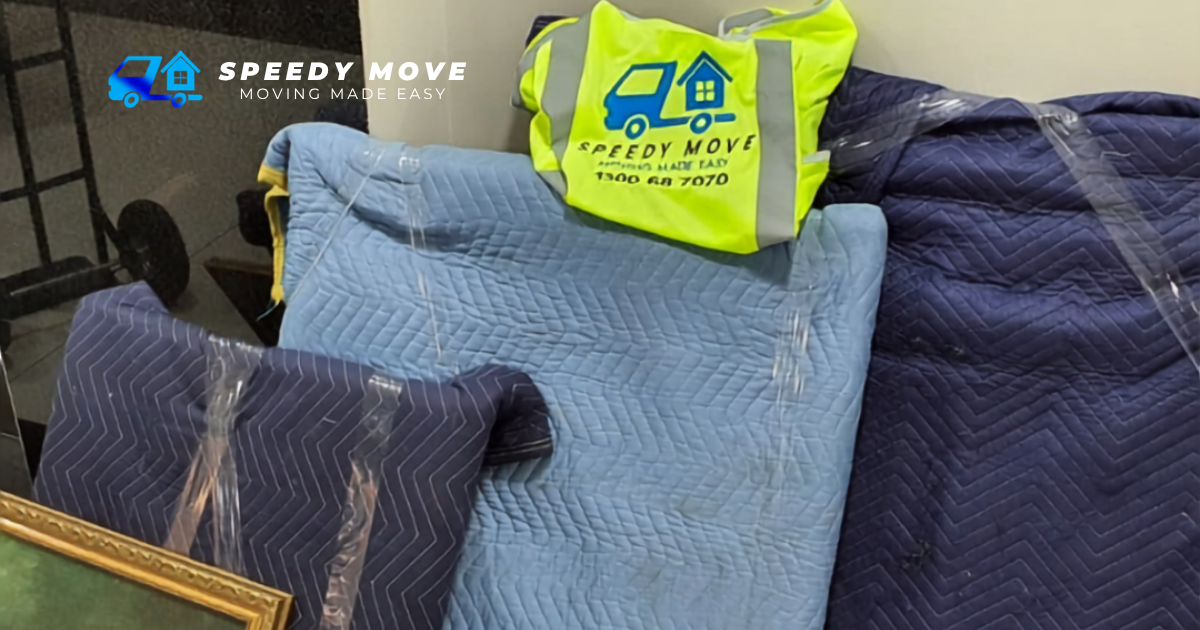
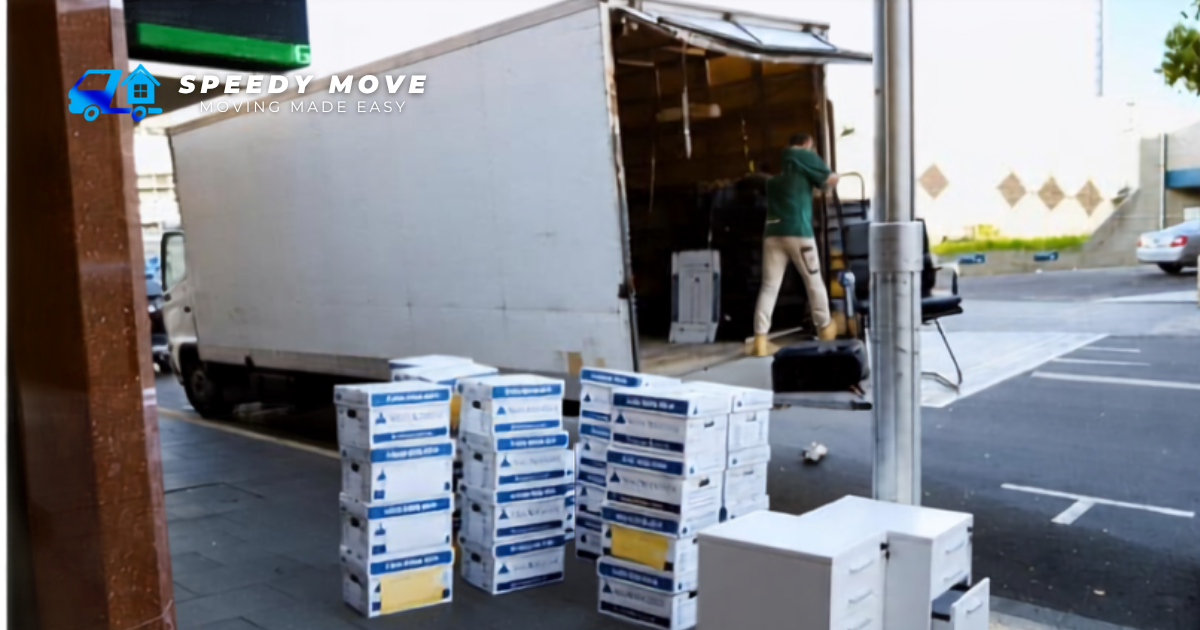
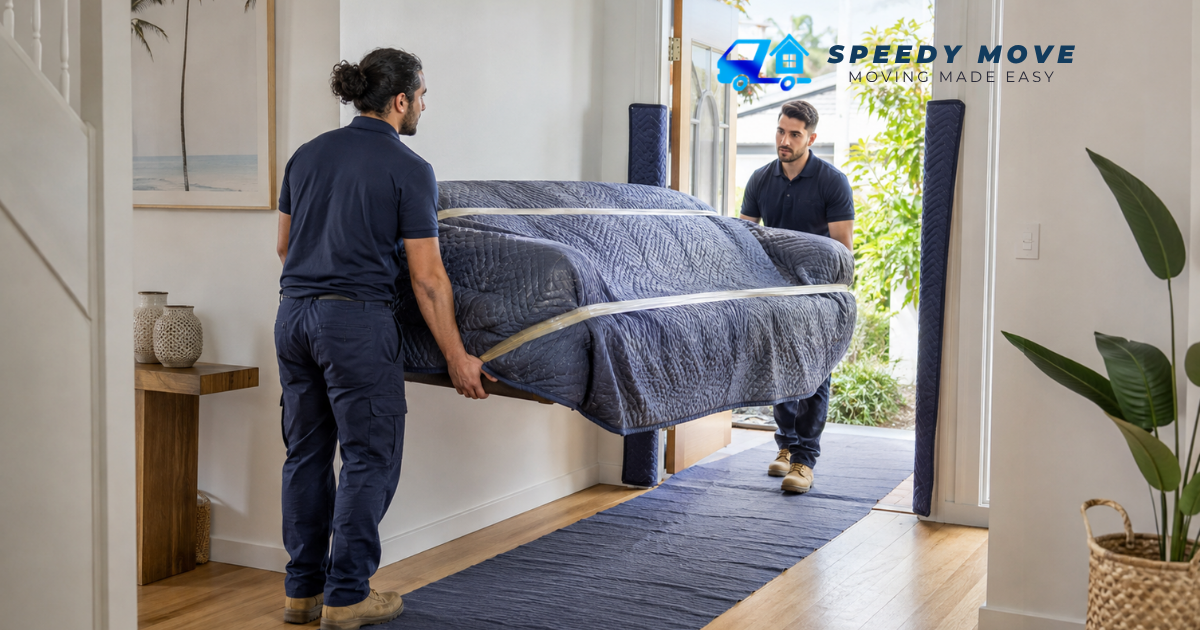
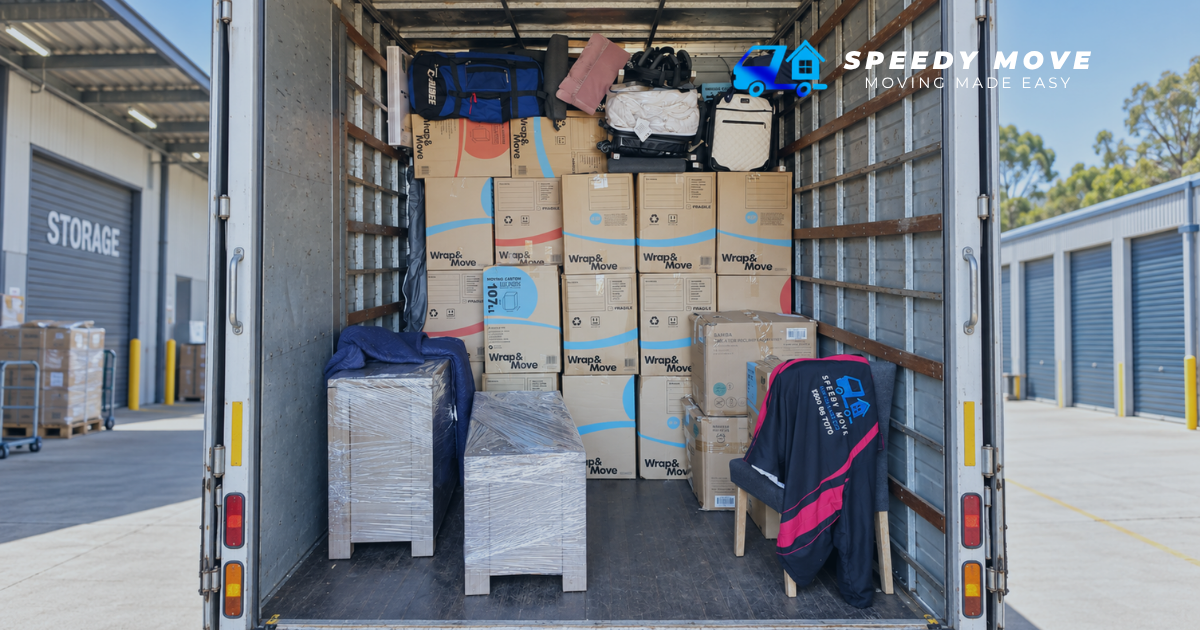
The moving team may wrap and load the belongings, transport them to the arranged facility, and deliver them when the destination is ready.
This option may be helpful if:
You want moving and storage coordinated together
You are storing most of a household
You have heavy or bulky furniture
You are relocating interstate
You do not need frequent access
Your properties have difficult access
You prefer not to transport everything yourself
This approach can reduce the number of providers you need to manage. It may be particularly practical for a complete household or a move involving large furniture.
However, access to individual belongings may be limited. Goods may be stored in a way designed for eventual redelivery rather than regular customer visits.
Remove anything you may need before collection. Do not place medication, passports, legal documents, keys, valuables, work equipment, or everyday essentials inside an inaccessible load.
Ask how much notice is required for access or final delivery and whether additional handling fees apply.
Speedy Move can assist with moving and storage requirements, but the arrangement will depend on your inventory, locations, access, storage duration, and service availability.
The storage duration affects how your belongings should be prepared and whether regular access is important.
Short-term storage may cover a brief settlement gap, delayed handover, or renovation. Even if it will only last several days or weeks, belongings must be clean, dry, sealed, and clearly labelled.
Remember that a short booking may need to be extended if the property timeline changes.
Long-term storage requires more preparation. Materials suitable for a short move may not provide enough protection for several months.
For longer storage:
Use strong, securely sealed cartons
Clean and dry furniture completely
Avoid packing damp clothing or linen
Empty, defrost, and dry appliances
Protect delicate surfaces
Number boxes and maintain an inventory
Photograph valuable or fragile items
Ask how mattresses and upholstery should be prepared
Confirm whether sensitive items require specialised conditions
Long-term fees can accumulate. Before storing low-value furniture, compare the total expected cost with the cost of replacing it later.
Estimating storage based only on bedroom count can be misleading. Two homes with the same number of bedrooms may contain very different quantities of furniture, outdoor items, boxes, and garage contents.
Prepare an inventory covering:
Beds and mattresses
Lounges and armchairs
Tables, desks, and chairs
Cabinets and bookcases
Whitegoods and appliances
Outdoor furniture
Garage and shed contents
Sporting equipment
Cartons, bags, and tubs
Mirrors and artwork
Pianos and heavy items
Include approximate dimensions and clear photographs of unusually large or difficult pieces. Mention whether suitable furniture can be dismantled.
An accurate inventory helps assess the required space, labour, handling, and transport. It also reduces the likelihood of discovering that the arranged unit is too small on moving day.
Use strong boxes that can be completely closed and safely stacked. Avoid damaged cartons, open containers, and boxes overloaded to the point that they become unsafe to lift.
Place heavier belongings near the bottom and lighter items above them. Label the top and one side of every carton with its destination room and a general description.
Number the cartons and keep a separate inventory. Do not advertise valuable contents on the outside.
Everything should be clean and completely dry before storage. Moisture sealed inside boxes, mattress covers, appliances, rugs, or upholstered furniture may cause odours, staining, mould, or deterioration.
Defrost refrigerators and freezers early enough for them to dry. Remove food, empty water reservoirs, clean the interiors, and secure loose components according to the manufacturer’s instructions.
Empty wardrobes, cabinets, bookcases, and drawers before moving them. Remove or secure adjustable shelves, glass panels, doors, and other loose parts where appropriate.
Tall furniture may also need to be anchored again after delivery. According to Product Safety Australia’s toppling-furniture guidance, unsecured bookcases, wardrobes, cabinets, entertainment units, and chests of drawers can cause serious injuries if they fall.
Use restraints appropriate for the furniture and the wall or floor at the new property.
Every provider may have a different prohibited-items policy. Ask for the complete list before packing.
Restricted or unsuitable goods may include:
Fuel and flammable liquids
LPG and other gas cylinders
Paint and solvents
Explosives and fireworks
Corrosive chemicals
Perishable food
Plants and animals
Illegal goods
Wet or contaminated items
Certain batteries
Cash and jewellery
Irreplaceable documents
Highly valuable collections
Never hide restricted materials inside ordinary boxes. Hazardous goods can create risks for movers, storage facilities, other customers, and the rest of your belongings.
Fire and Rescue NSW advises households to use appropriate recycling or chemical-collection services for LPG cylinders, paints, solvents, oils, batteries, and fire extinguishers. Customers outside NSW should check the relevant program through their state government or council.
Keep medication, identification, keys, important records, cash, valuables, and sentimental belongings securely with you.
Do not assume that your belongings are automatically insured because a storage facility has locks, alarms, cameras, or controlled access.
Facility security, contractual responsibility, transit insurance, home contents insurance, and storage insurance are different matters.
Before storage begins, ask:
Is insurance included?
Who provides the policy?
Does cover apply during loading and transport?
Does it continue throughout storage?
Which events are covered?
Are mould, pests, water, theft, or accidental damage excluded?
Are individual items subject to limits?
Must valuables be declared?
What excess applies?
What evidence is required for a claim?
Contact your existing insurer and ask whether your contents policy covers belongings stored away from your home. Provide the storage location, duration, estimated value, and types of items.
Moneysmart recommends reviewing the Key Fact Sheet and Product Disclosure Statement to understand an insurance policy’s cover, exclusions, limits, and conditions.
Speedy Move recommends arranging suitable storage insurance separately and confirming the cover directly with your insurer.
Moving and storage insurance should not be treated as the same product. Transit cover may end when belongings reach storage, while storage cover may not apply during transport.
The Australian Furniture Removers Association advises customers to confirm that a removalist is properly qualified before obtaining insurance or financial-product advice through that company. Ask who provides the policy, where it applies, and when the cover begins and ends.
Before accepting a storage quote, confirm:
Storage rate and billing period
Minimum rental term
Collection and redelivery charges
Packing and handling fees
Access rules and notice requirements
Fees for accessing individual items
Prohibited goods
Security arrangements
Insurance responsibilities
Extension and cancellation conditions
Overdue-payment procedures
Notice required for final delivery
Request the terms in writing and read them before your belongings are collected.
The ACCC explains that Australian customers automatically receive consumer guarantees when purchasing eligible goods and services. These rights exist separately from additional warranties, but you should still understand the agreed services, fees, access conditions, and responsibilities.
Traditional self-storage may be suitable when regular access and personal control are most important.
Mobile storage may work when your property has enough placement space and you prefer to load at your location.
Removalist-arranged storage may be more convenient when you want collection, storage, and final delivery planned together, particularly for a complete household or interstate move.
Compare the complete cost rather than the unit rate alone. Include collection, delivery, labour, vehicle hire, repeated handling, packing materials, access fees, minimum rental periods, insurance, and final redelivery.
The right choice is the option that fits your belongings, timeline, access requirements, and preferred level of involvement.
Speedy Move provides local and interstate removal services across Brisbane, the Gold Coast, Sydney, Wollongong, Melbourne, and Adelaide.
We can also assist with packing and unpacking, furniture dismantling and reassembly, heavy and bulky belongings, piano moves, backloading, and short- or long-term storage arrangements.
When requesting a quote, provide your pickup and delivery addresses, preferred dates, storage duration, complete inventory, approximate box count, property access, and photographs of unusual items.
Include stairs, lifts, parking, loading docks, carrying distances, and anything requiring special handling. Accurate information allows the moving and storage stages to be planned around the actual job.
Need temporary storage between homes? Contact Speedy Move for a personalised moving and storage plan based on your timeline, belongings, access, and destination.
Self-storage suits customers who need regular access. Mobile storage may suit properties with space for a container, while removalist-arranged storage can simplify a complete household or interstate move.
Speedy Move can assist with moving and storage arrangements. The suitable option depends on your inventory, locations, access, storage duration, and delivery schedule.
Do not assume insurance is included. Speedy Move recommends arranging suitable storage insurance separately and confirming the cover, exclusions, limits, and claims requirements with your insurer.
Some policies may provide cover under specific conditions, while others may limit or exclude belongings stored away from home. Ask your insurer and read the applicable Product Disclosure Statement.
Access depends on the arrangement. Self-storage usually permits more frequent entry, while removalist-arranged storage may require advance notice and additional handling.
Do not store prohibited hazardous materials, perishable food, plants, animals, medication, identification, cash, jewellery, or irreplaceable documents.
Provide a complete inventory, box count, furniture dimensions, and photographs. Bedroom count alone may not accurately represent the volume.
Some pieces may be easier to move and store when dismantled, but this depends on their construction, condition, access route, and manufacturer’s instructions.