Fast Service
Some belongings matter because they are expensive, old, handmade, inherited or impossible to replace. A family piano, original painting, antique cabinet or custom stone table cannot be packed like an ordinary household item.
These pieces need accurate information before the move, a suitable access plan, the right protective materials and controlled handling. If details are left until moving day, the crew may arrive without the labour, equipment, vehicle space or time the job requires.
The safest approach is to plan each specialist item individually. This guide explains what to tell your removalist, how to prepare the property and what to ask before booking a piano, artwork, antique or fine-furniture move with Speedy Move.
Weight is only one reason an item can be difficult to move. Awkward dimensions, uneven weight distribution, a fragile surface, moving components or weak joints can all change how it should be handled.
A piano combines considerable weight with delicate internal parts and limited safe gripping points. Framed art is vulnerable to flexing, impact and pressure, while antique furniture may hide weakened glue, brittle veneer or old repairs.
Property access can make the same item straightforward at one address and complex at another. Stairs, narrow landings, low ceilings, apartment lifts, steep driveways, long carries and limited truck parking all affect the plan.
This is why photographs, measurements and access information should be supplied during quoting. A room-by-room inventory alone may not reveal the actual handling requirements.
Tell Speedy Move about every piano, artwork, mirror, antique and unusually heavy or delicate piece when requesting your quote. Avoid broad descriptions such as “one piano” or “three paintings.” The information should be specific enough for the team to assess the item and its route.
For each specialist piece, provide:
The type of item and its approximate age
The manufacturer, artist or model, where known
Height, width and depth
An estimated weight or manufacturer specification, if available
Clear photographs from the front, back, sides and underneath where practical
Close-up photographs of existing damage, loose parts or previous repairs
Details of removable components
Its position within the pickup property
The intended room and position at delivery
Stairs, lifts, narrow turns and other restrictions at both addresses
For a complex route, a short continuous video from the item to the proposed truck position can reveal corners and level changes that separate photos miss.
Do not assume a removalist can confirm a safe method from the item alone. The entire route matters.
Photograph each item in good light before it is wrapped. Capture the full piece and detailed images of corners, frames, legs, hinges, handles, keys, surfaces and existing marks. If a cabinet contains shelves or other removable parts, photograph their original positions before taking them out.
This record distinguishes existing wear from damage and helps when the item is reassembled. For a valuable collection, match each photograph to a numbered inventory.
If a piece has a known weakness or old repair, point it out directly rather than relying on the crew to discover it during handling.
For museum-quality, extremely fragile or very high-value objects, obtain advice from a qualified conservator before the move. The National Gallery of Australia explains that preventive conservation includes protecting art from physical damage and managing its environment during display, storage and transport. An ordinary household move is not a substitute for conservation assessment.
The word “piano” does not provide enough information for a reliable plan. Upright, baby grand, grand and cabinet-style digital pianos have different shapes, components and handling requirements. Send the brand, model, measurements and photographs, including the keyboard side, back and legs or base.
Movers must control the instrument while crossing thresholds, turning through hallways, using ramps and negotiating stairs. Safe Work Australia identifies high or sudden force and sustained or awkward postures as factors that can make manual tasks hazardous. The plan may therefore involve additional movers, protective wrapping, a piano board or skid, rated straps, a trolley, ramps and floor protection.
Do not rely on a piano’s small casters for travel over carpet edges, thresholds, paving or ramps. Unsuitable wheels can damage floors, stress the legs and make the instrument difficult to control.
Do not dismantle a piano unless the agreed plan requires it. Grand pianos may need specialist preparation, while digital models can have manufacturer-specific instructions. Provide the manual where available.
After delivery, allow an acoustic piano to settle before arranging tuning. Ask a qualified piano technician how long is appropriate for the particular instrument and the change in environment.
Artwork should be assessed by its medium, frame, glazing, size and condition. An oil painting, a work on paper behind glass, a stretched canvas and an unframed textile do not share the same packing needs.
Never place adhesive tape directly on artwork, frames, polished timber, gilding or glazing. Do not put ordinary bubble wrap or plastic film against a delicate surface unless a conservator has advised it; unsuitable materials can trap moisture or cause abrasion.
Preparation may include acid-free tissue, glassine, corner protection, rigid boards, picture cartons, padded sleeves or custom crating. Valuable pieces may need professional art packing.
Keep framed works upright when that is the agreed safe orientation. Do not stack heavy cartons against them or lay other belongings across their faces. The National Gallery notes that artworks differ greatly in their materials and construction, and its conservation specialists advise on handling, hanging, storage and preservation. That same principle matters at home: the method must suit the actual object, not merely the label “artwork.”
If a painting or mirror is fixed high on a wall, arrange safe removal or confirm whether this work is included. Disclose oversize pieces and difficult access.
Fine furniture may be vulnerable at its joints, legs, veneer, inlay, carving, glass, marble or finish. Age and previous repairs can weaken areas that appear sound.
Empty drawers and cupboards unless the mover gives different instructions. Remove loose shelves, keys, finials and other detachable parts, then wrap and label them separately. Secure doors and drawers using a method that does not place adhesive against the finish. Never use handles, decorative rails or projecting trim as lifting points unless they were designed for that load.
Do not polish an antique immediately before packing. A newly applied product can react with wrapping or transfer onto protective materials. If the piece requires cleaning, restoration or conservation work, ask a relevant specialist what should happen before transport.
Some furniture should be dismantled; some should remain intact. Removable table legs may travel safely in parts, while brittle cabinet joints may be harmed by disassembly. Follow the item’s construction, condition and maker’s instructions. Photograph connections and label all hardware.
Tall furniture also needs a safe plan at the destination. Once wardrobes, bookcases or display cabinets are placed, use suitable restraints where required. The ACCC’s product-safety guidance warns that freestanding furniture can cause serious injury if it becomes unstable and topples. Ask the property owner or manager before fixing anything to a wall, and make sure the restraint suits both the furniture and wall construction.
Measure the item and the narrowest parts of the route at both properties. Check more than the front door. The critical restriction may be a hallway corner, stair landing, internal doorway or lift entrance.
Record:
Door and gate openings
Hallway widths and turning space
Stair widths, landings, rails and overhead clearance
Lift-door openings and internal dimensions
Steps, slopes and uneven outdoor surfaces
Low light fittings, sprinklers and ceiling features
Distance between the property and legal truck parking
Loading-dock rules and booking times
Floor surfaces that need protection
For apartments, confirm service lifts, loading bays, move-in hours and required documents. Reserve the lift and loading area before finalising the schedule.
Do not plan to hoist an item over a balcony or through a window without a separately assessed specialist solution. That type of work can involve building permissions, site controls and equipment outside a standard removal service.
Clear the route, keep children and pets away, open gates, collect access cards and ensure lifts and loading docks are available at the booked time.
Protect vulnerable floors, walls and doorways. Floor protection must remain stable under load. If rain is expected, provide a dry route where practical and discuss moisture-sensitive items.
At the destination, decide where each specialist item will go before the truck arrives. Measure the proposed position and confirm that the item fits through the route. For pianos, large cabinets and stone furniture, repeated repositioning creates unnecessary handling.
Make sure the delivery area is ready. A cabinet cannot be safely anchored if boxes block the wall, and a piano should not be placed where building work or wet cleaning is still underway.
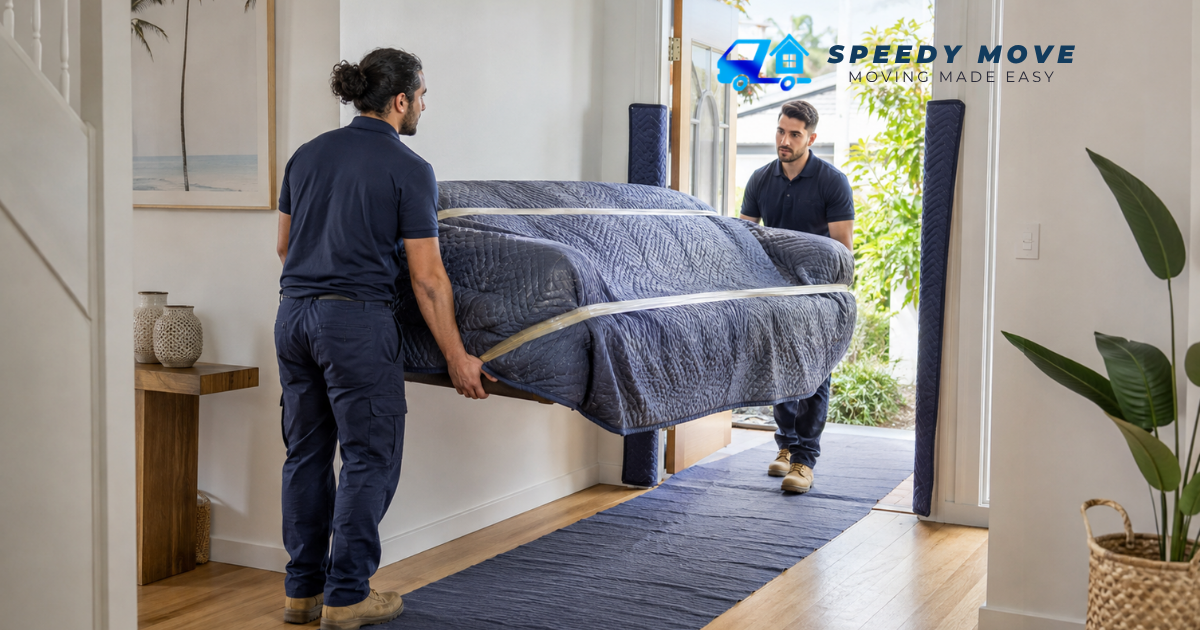
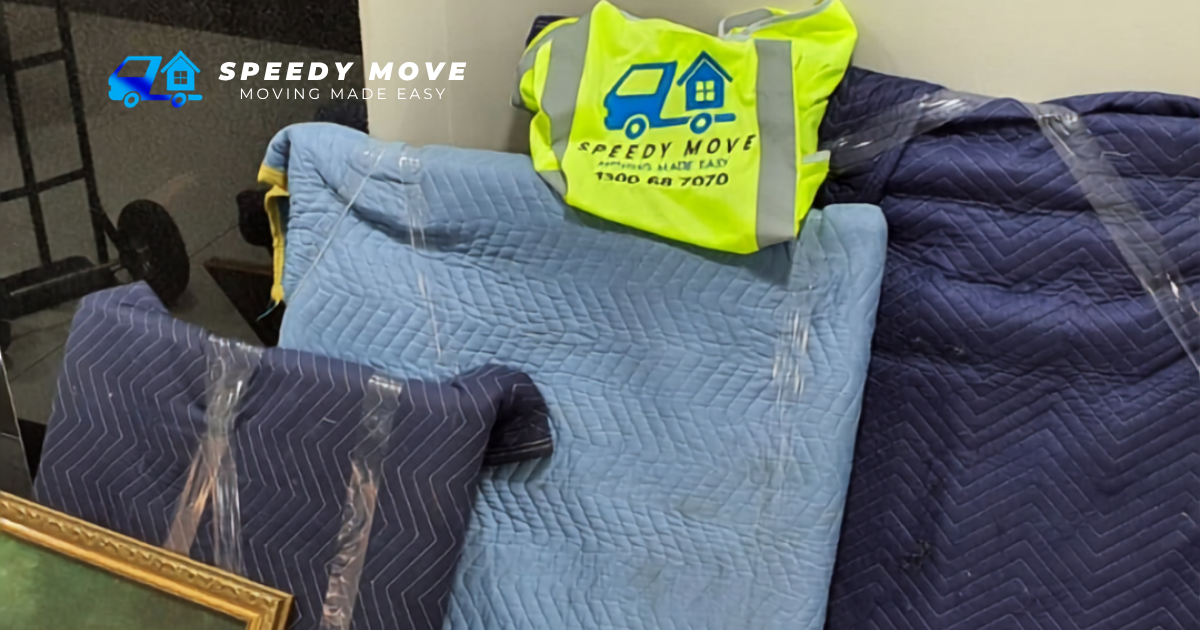
Wrapping should prevent abrasion, movement and impact without placing harmful materials against sensitive surfaces. Blankets, rigid protection, straps and cartons may help, but packing must match the object.
Inside the truck, specialist belongings need a stable position and suitable load restraint. They should not carry the weight of unrelated cartons or be placed where other furniture can shift against them. Glass, stone and artworks may need a specific orientation and dedicated separation.
Ask what packaging is included in the quote and whether any item needs a custom carton, crate or third-party service. The Australian Furniture Removers Association recommends checking whether packing materials are included and discussing professional packing options with the removalist.
For interstate moves or storage, also discuss the time in transit, handling points and environmental conditions. Timber, instruments and artworks may respond to large changes in temperature or humidity. A conservator, piano technician or maker may need to advise on particularly sensitive pieces.
Do not assume that “insured removalist” means every belonging is automatically covered for every type of loss or damage. Business insurance, public liability and insurance for the customer’s goods are not interchangeable.
Ask in writing about cover, exclusions, excesses, valuation limits, owner-packed cartons, storage and high-value declarations. Confirm whether artworks, antiques or instruments must be named and valued individually. Keep valuations, serial numbers and condition photographs with you.
AFRA advises that purpose-designed moving insurance can cover household goods during a move and periods of storage, subject to the policy terms. Read the Product Disclosure Statement and Financial Services Guide where provided, and ask questions before accepting the cover. If an item is unusually valuable or irreplaceable, speak with your insurer or broker about whether separate specialist cover is appropriate.
The price reflects the work required, including crew size, preparation time, equipment, access, stairs, carrying distance, dismantling, packing, vehicle space and travel.
A detailed quote is more useful than a low estimate based on incomplete information. Ask whether piano or heavy-item handling is included, what may trigger additional charges and whether the proposed crew and equipment reflect the photographs you supplied.
Changes should be communicated before moving day. If access has changed, the lift booking is unavailable or another heavy piece has been added, tell Speedy Move immediately so the plan can be reviewed.
Before confirming the move, ask:
Has the team reviewed photos of the item and both access routes?
What crew size and equipment are planned?
Who is responsible for dismantling and reassembly?
What protective packing is included?
Does any item require custom crating or another specialist?
How will the item be positioned and restrained in the truck?
Are stairs, long carries and heavy-item requirements included in writing?
What insurance options are available, and what is excluded?
What should be prepared before the crew arrives?
What happens if the item cannot safely pass through the planned route?
Clear answers help prevent assumptions on both sides. They also give the removalist an opportunity to identify limitations before the booking date.
A specialist move starts with good information. Identify each piece, document its condition, measure the route, disclose restrictions and agree on preparation and insurance in advance.
Speedy Move can assist with local and interstate removals, optional packing and unpacking, suitable furniture dismantling and reassembly, piano and heavy-item moving, backloading and storage. Requirements vary by item and property, so early assessment is essential.
When requesting a quote, send clear photographs, measurements, pickup and delivery addresses, stairs and lift details, parking conditions, carrying distances, the desired delivery position and any known weakness or repair. Speedy Move can then assess whether the job needs extra movers, equipment, packing or another specialist service.
Contact Speedy Move to discuss a moving plan based on the belongings and access involved—not a generic household estimate.
Speedy Move can assess piano moves based on the instrument type, dimensions, access, stairs, distance and required equipment. Provide photographs and complete access details when requesting your quote.
Only when its construction, condition and instructions support safe dismantling. Unnecessary disassembly can damage old joints or finishes. Confirm the agreed preparation plan before moving day.
The correct method depends on the medium, glazing, frame, size, condition and value. Some pieces need picture cartons or rigid protection, while highly valuable or fragile works may require professional art packing or custom crating.
Do not assume so. Request written details of the available cover, exclusions, excesses, valuation requirements and whether high-value items must be declared separately.
Send the full item from several angles, labels or model details, existing damage, removable sections, stairs, lifts, narrow turns, entrances, parking and the proposed position at the destination.
It may be possible, but storage suitability depends on the item, packing, duration and environmental sensitivity. Discuss timber, upholstery, artwork, instruments and other sensitive materials before booking.